
How To Protect Against The Expected Cut Of 60% In Facebook Ads Revenue

We know the latest limitations of Facebook pixel probably made you feel uncomfortable due to the expected reduction in advertising performance.
According to Facebook: “The recent ad tracking changes will have a devastating impact on small businesses. The average small business advertiser stands to see a cut of over 60% in their sales for every dollar they spend.”

The good news is that e-commerce merchants can limit the impact of the cut and turn the threat into a real opportunity.

In this video, you’ll learn:

  1. The changes made by Facebook and their impact on our advertising.
  2. How can you use the power of your store data in advertising to protect and grow your sales.
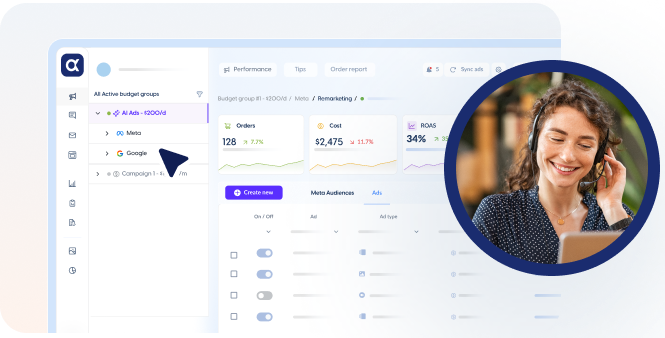
  3. How you can turn the crisis into an opportunity and boost your ad revenue using AdScale.
Why Repurchase Frequency Is The Most Important Metric Of Your Online Store

Having repeat customers is always a good thing for e-commerce stores. The more repeat customers you have, the more their Average Order Value (AOV) increases, and the more you can reduce your advertising costs and optimize your Return On Ad Spend (ROAS).

But how often they return is also important, and this is where the Repurchase Frequency metric becomes so crucial. Here we look at what this is, why it matters so much, and how to improve it in your store.

What Is Repurchase Frequency?

Repurchase frequency is the average time in days between two or more orders made by a specific customer. Essentially: how often they return to your store to make purchases. For example, a customer may return every 30 days, 60 days, or once a year.

This is not to be confused with the repurchase rate, which refers to the average percentage of customers that make another purchase within a set period of time. For example, if 100 customers make their first order in a given month and 15 of them return to make a second order within a period of 30 days, the repurchase rate for 30 days would be 15%. You could also have a repurchase rate for 60 days, 90 days, or more.

Why Repurchase Frequency Matters

The reason why repurchase frequency matters is simple: the better the repurchase frequency, the more orders your store will receive in a set period of time. If the average repurchase frequency is 120 days, that means the average customer makes 3 purchases a year. If you reduce it to 90 days, this translates into 4 purchases a year, increasing orders by 25%.

How Does Repurchase Frequency Affect Your Store’s Performance?

When the repurchase frequency is improved (the time between purchases is reduced), your customers are making more purchases over a given time period. This means:

  • AOV increases – statistics show that customer AOV increases with each purchase made.
  • Customer Lifetime Value (CLV) increases – the amount each customer contributes over their lifetime at the store increases.
  • Advertising costs go down – it’s five times cheaper to convert repeat customers compared to bringing in new ones.
Orders Analysis Example

How To Improve Your Store’s Repurchase Frequency

First, you need to work out what your store’s repurchase frequency is, which involves analyzing your store’s data. Once you know what it is, you can set a goal for what you want the average repurchase frequency to be, which will depend on your store and the products you sell. To improve your repurchase frequency:

  • Target customers with advertising. For example, if customers buy once then disappear or only return after a few months, reach out to them with ads before they slip away.
  • If you sell consumable products, target your customers with ads at the moment when they are thinking about replacing their product.
  • Set up a subscription option for certain products and provide your customers with a discount when they subscribe.
  • Target existing customers with unique benefits and discounts based on their purchase history to encourage them to return.
  • Create a Rewards Program. Encourage customers to return more frequently by earning points with each purchase that they can redeem for discounts.
  • Use a Returning Customer Flow to provide customers with discounts when they make a follow-up purchase, or set up a VIP Flow to welcome them to your VIP club once they have spent a certain amount in the store.

Conclusion

While there are many ways to improve your repurchase frequency, the trouble often comes down to analyzing your store data effectively. Doing this manually can be a difficult process—not to mention tedious.

That’s where AdScale comes in. AdScale automatically analyzes your store data and provides you with detailed insights as well as recommendations like a ready-to-use advertising plan. This will make improving your repurchase frequency a lot quicker and easier, leading to faster and better results for your store.

Using Store Data To Increase Your Repeat Customer Rates & Boost Revenue

Attracting new customers to your business costs around five times more than retaining existing ones. Encouraging repeat customers is a cost-effective way to grow your business and it provides a healthy revenue stream. In fact, the average e-commerce store’s repeat customer rate is 19% and generates 41% of the total revenue. Plus, studies suggest that a repeat customer’s average order value (AOV) increases every time they make a purchase.

In our cutthroat digital age, customer loyalty will empower your business to thrive, niche or sector aside. Here we’re going to explore how using your store data can help you improve your repeat customer rates and boost your revenue over time.

How Store Data Can Help You Increase Your Repeat Customers

Taking a data-driven approach to increasing your repeat customer rates is effective as it will offer you a wealth of concrete insights into your performance as well as the behaviors of your existing customers. Here are some of the key ways that store data can help you earn more repeat customers:

Overall Performance

You can use your store data to measure your repeat customer rate and compare it to the industry average. If your repeat customer rates fall below the industry average, you will be able to take targeted actions to encourage loyalty.

AdScale Customer Performance

Analyzing your store’s data will allow you to identify potential weaknesses in your processes or service offerings while identifying emerging trends and opportunities you can leverage to your advantage.

Trends & opportunities

Product Personalization

Product personalization

By gaining an insight into the products that your repeat customers purchase more frequently, you can make personalization recommendations that are likely to result in a sale. And, by offering a personal approach to your communications, you will increase customer loyalty (which will result in even more repeat sales).

Campaign Messaging

If you use your store data to identify your top customers and what they value most, you can develop targeted campaigns with content, messaging, and offers tailored to their exact needs.

Campaign messaging

Actionable Ways To Increase Your Repeat Customer Rates

To boost your repeat customer rates, you should use your data to transform insight into action. These are the metrics you should work with:

  • Average Order Value (AOV)
  • Repeat customer rate
  • Repurchase rate

By tracking these essential e-commerce store metrics, you will gain a balanced overview of how your repeat customers are interacting with your site and spending their money. Once you’ve gathered your consumer insights, you can roll out targeted strategies including:

  • Personalized product recommendations
  • Tailored content that fits to their current stage in the customer journey
  • Exclusive deals and discounts to attract them back to your store.

Using AdScale To Increase Repeat Customers With Store Data

“The more you engage with customers the clearer things become and the easier it is to determine what you should be doing”.— John Russell

Repeat customers are essential to the ongoing success of your business. But, as invaluable a pursuit as it is, analyzing your store data regularly is a very time-consuming process. To help you get the most from your store data and create targeted strategies to help you increase your repeat customer rates, AdScale’s cutting-edge Advertising platform will analyze your store’s most valuable data automatically, delivering insights that will help you increase customer loyalty across the board.

איך שימוש נכון בסגמנטים של לקוחות יכול להקפיץ את מכירות האיקומרס שלכם


העדכונים האחרונים של iOS 14 מציבים אתגר רציני לחנויות איקומרס אשר מנסות להגביר את החשיפה שלהם דרך פלטפורמות הפרסום. שינויי הפיקסל בפייסבוק לאור עדכונים אלו יצרו מגבלות משמעותיות בניטור ומיקוד קהלים, מה שפוגע ישירות בבעלי חנויות האיקומרס המנסים לפרסם מוצרים לקהל היעד הרלוונטי. לפי פייסבוק, עסקים קטנים ובינוניים יכולים לספוג ירידה של עד 60% במכירות מפרסום לאור שינויים אלו.

אבל לפני שאתם מתחילים לתלוש שערות, ישנה דרך להפוך את המשבר הזה להזדמנות. באמצעות שימוש חכם בדאטה הקיים של החנות שלכם ניתן ליצור סגמנטים של לקוחות שבהם אתם יכולים להשתמש כדי ליצור קמפיינים עם קהל ממוקד ורלוונטי, שלא רק ימנעו את הירידה הצפויה, אלא יעלו לכם את המכירות יותר מבעבר.

מה הם סגמנטים של לקוחות?

סגמנטים של לקוחות אלו הם קבוצות לקוחות אשר מאוגדות על בסיס מאפיינים דומים בהתנהגות הצרכנית שלהם. לדוגמה, סגמנט לקוחות חוזרים (Repeat Customers) מאגד לתוכו את כל הלקוחות בחנות שלכם שקנו יותר מפעם אחת. סגמנט High AOV מאגד לתוכו את קבוצת הלקוחות שההזמנה הממוצעת שלהם גבוהה יותר מהממוצע של כל ההזמנות בחנות, וכן הלאה…

מה אפשר להשיג על ידי שימוש בסגמנטים של לקוחות?

1. מסרים ממוקדים ומותאמים אישית

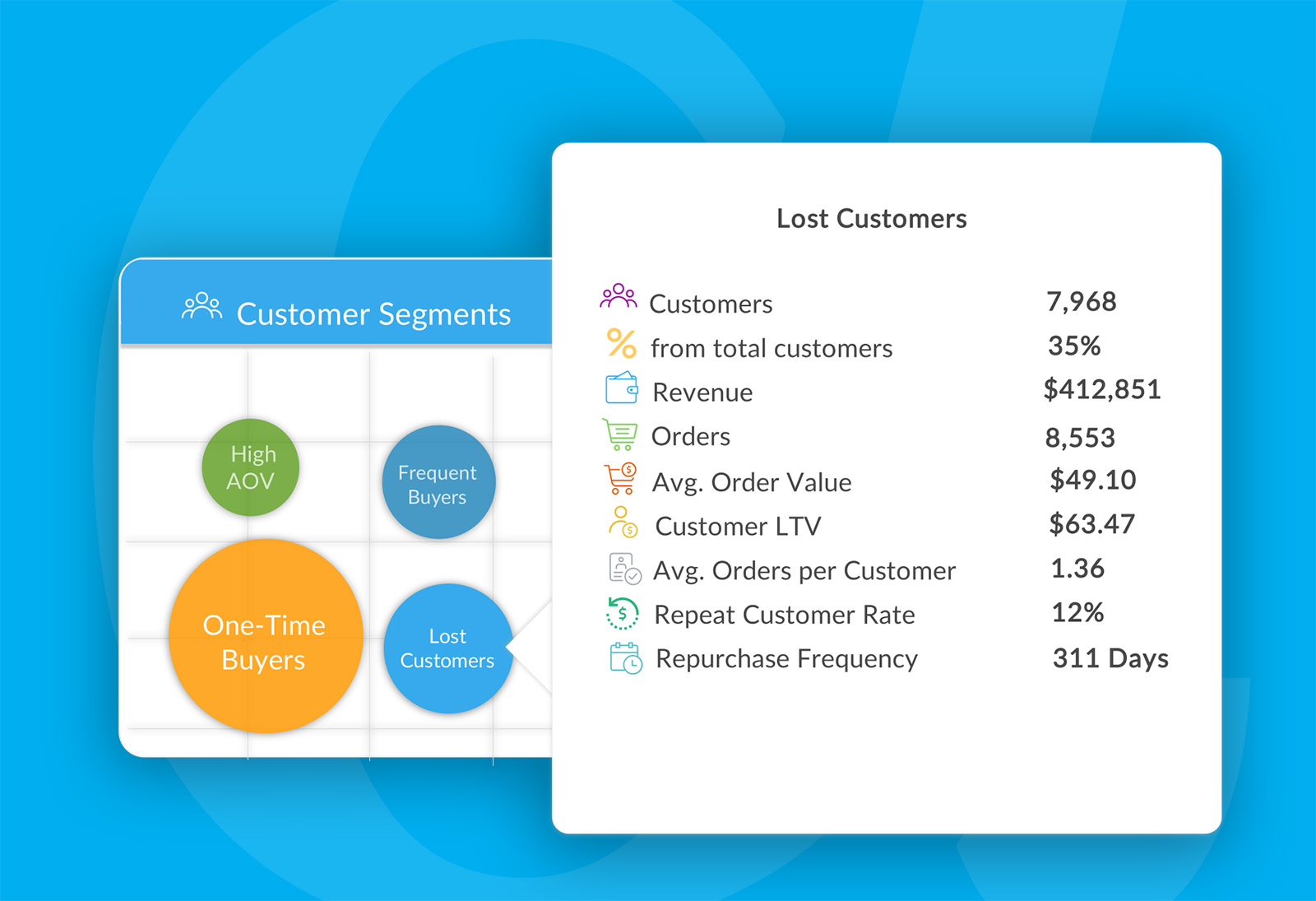
באמצעות שימוש סגמנטים של לקוחות, ניתן ליצור מודעות עם מסרים ממוקדים ומותאמים ללקוח בהתאם להעדפותיו, התנהגותו או השלב בו הוא נמצא בתהליך הרכישה. לדוגמה, נוכל ליצור קמפיין פרסום לסגמנט Lost Customers (לקוחות שרכשו בפעם האחרונה לפני הרבה זמן) ולכתוב להם מודעות מותאמות לשלב בו הם נמצאים.

Lost Customers

2. ללמוד מה החוזקות והחולשות של החנות שלכם

על יד שימוש בסגמנטים של לקוחות, אתם יכולים להפיק ידע רב על ביצועי החנות שלכם באמצעות תובנות עסקיות ומדדים שלא היו זמינים לכם. זה יעזור לכם לגלות איפה החוזקות של החנות שלכם, איפה החולשות שלה, ומה ניתן לעשות בכדי לשפר אותם. לדוגמה, באמצעות סגמנטים של לקוחות ניתן לראות לראות שאחוז הלקוחות החוזרים עומד על 13% בלבד, אבל מייצר 43% מהכנסות החנות. נתון זה מאפשר לנו להבין שהגדלת אחוז הלקוחות החוזרים ולו בקצת, יגדיל לנו משמעותית את הכנסות החנות.

Repeat Customers

3. יצירת רשימות לקוחות לקמפייני פרסום בגוגל ופייסבוק

באמצעות סגמנטים של לקוחות, תוכלו ליצור רשימות לקוחות (Customer Lists) שבהם תוכלו להשתמש בקמפייני הפרסום שלכם לטרגט קהלי רימרקטינג או קהלים חדשים שעוד לא נחשפו למוצרים שלכם בעבר (באמצעות יצירת קהלי Lookalike). באמצעות שימוש בסמגנטי הלקוחות לטרגט רשימות, תוכלו להסתמך פחות ופחות על המידע הקיים בפיקסל של פייסבוק ויותר להסתמך על הדאטה של החנות שלכם. כך, תיצרו לכם הזדמנויות להרצת קמפייני פרסום סופר ממוקדים אשר לא תלויים בפיקסל ויכולים להגדיל לכם את ההכנסות בחנות.

Audiences

4. הרצת קמפייני פרסום סופר ממוקדים

אחד היתרונות המשמעותיים בשימוש סגמנטים של לקוחות, הוא היכולת לטרגט את קמפייני הפרסום שלך בצורה מאוד ממוקדת וכך להתאים את הפרסום לטיפול ספציפי במה שיגדיל לכם את ההכנסות. לדוגמה, אם זיהיתם שאחת החולשות שלכם היא שתדירות הקנייה של הלקוחות שלכם היא נמוכה מדי, אז אתם יכולים להריץ קמפיין שמטרגט רשימת לקוחות עם תדירות קנייה נמוכה, למצוא את הזמן האופטימלי להתחיל לפרסם להם לאחר הקנייה האחרונה שלהם, ולהציע להם מוצרים שנקנים בתדירות גבוהה.

Repurchase Frequency

סיכום

שימוש בסגמנטים של לקוחות יכול להוות יתרון משמעותי בקמפייני הפרסום שלכם ומקפצה להגדלת ההכנסות בחנות. אולם, ניתוח ויצירת הסגמנטים הינה משימה מורכבת שיכולה לקחת זמן רב ודורשת ידע אנליטי וטכני כאחד. בנוסף לכך, יצירת סגמנטים בצורה ידנית נותנת לכם תמונה לאותה נקודת זמן בה הם נוצרו, שכנראה לא תהיה רלוונטית בשלב מאוחר יותר.


כאן אנחנו נכנסים לעזרה. מערכת AdScale מייצרת עבורכם בצורה אוטומטית סגמנטים של לקוחות שבהם תוכלו להשתמש לבניית קהלי CUSTOM וקהלי LOOKALIKE, תוך כדי שהיא מעדכנת בצורה דינמית את הקהלים. באמצעות AdScale תוכלו לנתח את ביצועי החנות שלכם, ליצור קמפייני פרסום עם קהלים ממוקדים, ליצור מודעות בכל פלטפורמות הפרסום בצורה קלה, ולהנות מאופטימיזיה 24/7 של הקמפיינים באמצעות טכנולוגיית AI.


רוצים לשמוע עוד על AdScale ? ליחצו כאן וניצור אתכם קשר בהקדם

How Using Customer Segments Can Boost Your Store’s Revenue

Apple’s recent iOS 14 update presents real challenges for e-commerce businesses looking to connect with new customers and expand their commercial reach. Facebook’s proposed changes are based on activities that either hinder or prevent e-commerce store owners from tracking consumer behavior or collecting important data.

According to Facebook:
“The average small business advertiser stands to see a cut of over 60% in their sales for every dollar they spend.”

That’s a pretty devastating loss. This jarring shift in policy does raise concern—but there’s a way to turn this crisis into an opportunity. Using your store’s data insights, you can use customer segments to develop targeted marketing plans that will drive more revenue to your business. And, we’re going all about it. Let’s go.

What Are Customer Segments?

Customer segments are different groups of your customer base categorized according to demographics, preferences, or characteristics based on your store’s data. You could, for example, segment your audience based on whether they are repeat customers or customers with a high average order value (AOV). You can also segment customers based on age, location, occupation, or even personal interests.

What Are The Benefits Of Customer Segments?

Now that you understand the concept of customer segments, let’s look at the benefits.

Creating targeted messaging

Lost Customers

By segmenting your customers, you can create campaigns or brand messaging that engage and inspire specific members of your audience. 88% of US marketing leaders reported measurable marketing campaign improvements by personalizing their messaging. Consumers expect brands to offer genuine personal value in the digital age—and customer segments are an effective way to do just that.

Learn your strengths & weaknesses

customer KPI

By segmenting your customers using your store’s data, you will gain a wealth of insight into your business’s core strengths and weaknesses. You might, for instance, find that your repeat customers make up just 13% of your overall audience, but generate 43% percent of the revenue. In this case, you can build on your existing messaging to continue driving revenue from your repeat customers while creating a tailored campaign that appeals to a segment of your audience that generates the least income.

Developing ready-made Facebook & Google audiences

Customer segments will also empower you to create ready-made audiences for your Facebook and Google advertising campaigns. Using your store’s data to create effective customer segments, you will need to rely on Facebook Pixel insights far less. Doing so will give you the tools and independence to create powerful targeted marketing campaigns consistently, boosting your store’s revenue in the process.

Developing ready-made Facebook & Google audiences

Create dedicated and highly targeted marketing campaigns

Repurchase Frequency

Another significant benefit to the use of Customer Segments is targeting your marketing and advertising audiences more accurately. For example, if you want to increase the frequency of purchases by repeat customers, you can target customers with low repurchase frequency and offer them products that are purchased more frequently.

Moreover, you can retrieve lost customers (who didn’t make any purchase recently) and target them to increase your repeat customers’ revenue.

Conclusion

While customer segmentation is a powerful means of growing your audience and boosting your store’s revenue, it can prove time-consuming. Segmenting your customers effectively also requires advanced technology as well as analytical skills. Manually creating customer segments also requires continual updates to ensure your insights remain relevant and yield consistent results.

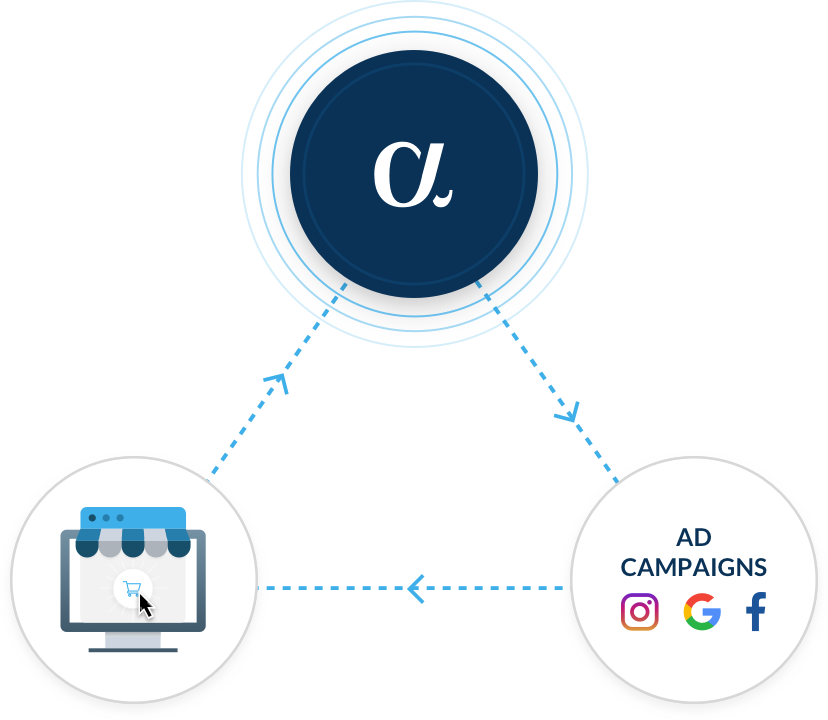
But, there is a solution. AdScale enables you to generate custom-made as well as ‘lookalike’ audiences based on your customer segments while syncing and updating them dynamically. Not only will this save you untold amounts of time on Facebook Pixel, but our accessible platform will help you drive increased revenue to your store on a regular basis. A win-win.

To find out more about who we are and what we do, get in touch. We’ll be happy to answer any of your questions.

How To Fix For Google Merchant Center Misrepresentation Issues

For e-commerce businesses looking to connect with an engaged audience, Google Merchant Center is a powerful platform. Using Google Merchant Center to your advantage will increase your chances of ranking well for Google Shopping search results.

But, while Google Merchant (MC) Center does offer a wealth of business-boosting benefits including enhanced search visibility and better brand awareness, sometimes getting ‘approved’ on the platform can prove tricky. This is usually due to ‘misrepresentation’ issues—content that the platform believes is either untrustworthy or in violation of its terms. Here we look at these common Google Merchant Center misrepresentation issues and how to help you overcome and potential roadblocks and enjoy all of the platform’s business-boosting perks.

Understanding Common Google MC Misrepresentation Issues

Getting Google MC to account approval isn’t a quick easy process. If Google believes there are any applicant discrepancies, informational gaps, or platform violations, you will have to solve them before gaining approval. Understanding common Google MC account issues will help you to solve them swiftly. Here are the main reasons you could get denied account approval.

Missing Contact Information

Google doesn’t approve accounts with missing contact information. If your store is missing a shipping policy or returns section or you haven’t supplied a valid e-mail address, phone number, and business address, you will need to address this before applying.

Checkout Security

You will not get Google MC account approval if your online checkout is deemed unsafe. To solve this issue, you must create a valid consumer checkout process protected by an SSL certificate.

Misleading Product Information

Google is committed to making sure that the information consumers find through the search engine is honest, valuable, and up to date. If your products are seen as misleading or inaccurate in any way, your application will be unsuccessful. Here are the primary reasons for ‘misleading product information’:

  • Missing inventory
  • Outdated product pricing
  • Incorrect product URLs
  • Product descriptions that are considered misleading or contain banned keywords

In addition to banned keywords, if your product copy is seen as potentially misleading, you will need to update it to gain approval. For instance, you should avoid using phrases along the lines of  ‘Boosts the immune system’ or ‘Extreme weight loss. It’s also important to note that you should never claim that your business is ‘certified’ or ‘accredited’ if it’s not.

Using Google MC: a quicker, better way…

Pinpointing and rectifying Google MC misrepresentation issues takes time as well as persistence—and can distract you from critical marketing and business development activities. While it is indeed possible to apply for a Google MC account and navigate any potential on your own, there is a better way (a time-effective solution): AdScale.

AdScale fully automates the creation and product synchronization with Google MC.

3 Pandemic Buying Habits That Are Here To Stay

Our world is completely different today. Everything from how we work, go to school, and buy food is part of a “new normal”. But this begs the question: How long will it last? Is the “new normal” here to stay? Many experts believe that many buying habits aren’t going away anytime soon. In fact, 53% of North American households claim that the COVID-19 pandemic has changed how they will shop going forward. So, what does this mean for e-commerce businesses? In this article, we will share several key buying habits that have changed due to the pandemic, and what businesses can do to adapt to the “new normal” trends.

More Buyers Are Shopping Online Than Ever Before

Quarantine orders, closed stores, and empty shelves have forced buyers to shop online—even those who preferred the brick-and-mortar experience. Buyers have realized that shopping online was not only safer, but also easier, convenient, and more reliable. Even as stores, businesses, and shops reopen, many buyers are planning to stick to their online shopping habits for the foreseeable future. If your business becomes an e-commerce business due to the shutdown, then it is a good choice to keep your e-commerce shop open to continue serving your online shoppers. This means ensuring you have an easy-to-use website with a streamlined shopping experience that keeps customers satisfied.

Curbside Pickup Is Convenient

Curbside pickup has been a saving grace for many businesses. Curbside pickup offers similar benefits to buyers, such as safety and convenience. Research shows that stores and businesses that have implemented a curbside pickup service will continue to offer it through the end of 2020. For e-commerce businesses that also have a brick-and-mortar location and a local customer base, offering curbside pickup as an option at checkout significantly improves their experience. Furthermore, ensuring that the shopper’s experience is as easy and convenient as possible will increase customer loyalty, retention, and repeat sales for your e-commerce business.

Customers Are Buying Digital Products And Services

Service-based businesses were hit hardest by the pandemic. For example, gyms, studios, and salons were among the few types of businesses that had to get creative and innovative to quickly improve their digital product or strategy, or completely develop one from scratch. However, many buyers have found new ways to interact with their favorite services, such as purchasing virtual classes or participating in digital consultations or events. Although many feared that their businesses would suffer due to the lack of in-person interactions, studies show that 14 percent of buyers purchased a digital service or product that they normally would have purchased in person. Furthermore, that same 14 percent are also likely to continue to purchase those virtual products and services in the future.

Offering digital versions of your product or service can actually expand your customer base rather than shrink it. e-commerce businesses can reach a wider audience without any physical or geographical limitations.

Reaching For The Future With AI

No one could have predicted what 2020 had in store for our world. Although completely unexpected, the pandemic has forced a shift that has increased innovation, sparked creativity, and created new opportunities. Additionally, with more focus on online shopping than ever before, more and more e-commerce companies are leveraging and adopting AI technologies and tools to help them keep up with the customer demand, target and reach new customers, and improve efficiency all around. AdScale is an AI-powered tool designed to streamline digital advertising for e-commerce businesses, allowing them to reach more customers while also pushing their marketing budgets to go that much further.

5 Digital Advertising Tips To Boost Your E-commerce Sales On Black Friday!

With e-commerce growing gradually by the month, and with the global pandemic still among us, the 2020 shopping season is expected to begin early and be busier than ever. In fact, it is expected that the Black Friday sales trend will grow to 61% in 2020.

It goes without saying (or writing) that this presents a huge opportunity for e-commerce businesses. So how can you make sure your e-commerce business capitalizes on the right Black Friday opportunities and at the right time? In this article, we will share some benefits of using digital advertising for your store’s Black Friday campaign, and how to leverage the right tools to help you do it.

Why Should You Use Digital Advertising In Your BFCM Campaign?

Although Black Friday campaigns and deals can generate many sales and orders from organic traffic alone, digital advertising can double those orders while also significantly boosting your Return On Ad Spend (ROAS), despite the high advertising costs of the holiday season. This is also a great opportunity to collect audience data for future campaigns.

“Digital advertising can double your orders on Black Friday, while also significantly boost your Return On Ad Spend.”

5 Tips For Using Digital Advertising For Black Friday

1. Increase your budget

With a great holiday shopping event comes great competition. The best way to beat your competition this year is to increase and maximize your ad spend budget during Black Friday. Be sure to also get into the habit of checking your budget allocation and utilization on a daily basis as Black Friday approaches.

Increase bids as often as possible for the greatest impact on your audiences. It’s also important to migrate your budget between different campaigns and advertising channels to make sure your marketing dollars are going the distance for your e-commerce business.  So, make sure you’re increasing your budget to the max available during Black Friday. Keeping the same daily budget on Black Friday will cause many potential sales to slip away, eventually falling into your competitors’ pocketbooks.

AdScale can help you do all of the above. AdScale is designed to automatically allocate budgets, optimize bids, and target relevant audiences. It works 24/7 to optimize your advertising campaigns.

2. Focus on top-performing products and collections

One of the best and easiest ways to make the most from your Black Friday advertising campaign is to focus on selling your already top-performing products and collections. These are the products and collections with the following:

  • High order volume
  • High conversion rates
  • High profit margins
  • Most profitable products
  • Most competitive pricing

You can do this by optimizing your Google and Facebook ads to promote your top-performing products. You can also take this one step further by offering a significant sale or discount to boost your sales through the roof!

“By using AdScale, you can simply select the AI Pick, which will automatically choose your top-performing products, and update them dynamically according to ongoing product performance metrics. With AdScale, you can make the strong, stronger!”

3. Use teaser ads to create expectations for your customers

Publish ads several days before the start of a sale to get customers excited. For example, you can publish an ad with the following copy: “48 hours to the Huge Black Friday SALE!” Remember, excitement is contagious. By effectively creating some excitement and hype around your Black Friday sales and deals, you are in a better position to boost sales.


“With AdScale, you can easily create ads using ready-made ad copy text for the upcoming holiday shopping season.”

4. Diversify your audience targeting on Facebook Ads.

Now it’s time to take full advantage of your customer history. Reach new potential customers by setting dedicated audiences either by data from your Facebook pixel or by uploading the customer list as a Facebook custom audience.

Matching the relevant products/collections you advertise to dedicated custom and lookalike audiences is one of the main things that can take your advertising campaign to the next level! Here are some audience ideas you can use for your campaign:

Audience Name Description
Top SpendersCustomers who made a purchase with high AOV (average order value).
Loyal CustomersRepeat customers who make regular and frequent purchases. For example, customers who purchased every 60 days, during last year.
Single Purchase – High AOVCustomers who made only one purchase but their AOV is more than 50% higher than the average
Single Purchase buyersCustomers who have only made one purchase

AdScale can automatically create all the above audiences and add them to your digital advertising campaigns. Simply choose the audience types you would like to include and AdScale will generate highly-targeted audiences relevant to your products and store.”

5. Expand your reach with multi-channel advertising

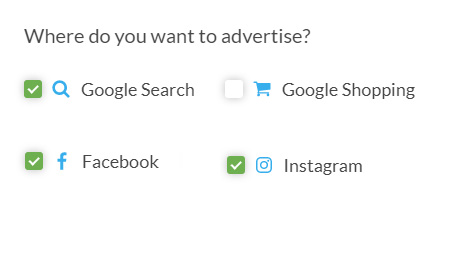
It’s crucial to reach your potential customers on the right channel and at the right time, regardless of their location. In addition to Facebook and Instagram, other channels such as Google Shopping and Google Search can help increase conversion rates and boost your Black Friday sales to a whole new level.

For this year’s Black Friday shopping season, you can also take advantage of the recently released Facebook Shops. Facebook Shops allows you to add a store to your e-сommerce business’ Facebook page for even more exposure, engagement, and conversions.

AdScale allows you to automatically distribute your ads across multiple advertising channels at the ad level. In addition to that, AdScale is one of the first Facebook e-сommerce Partners, and is fully certified and integrated with Facebook Shops.”

How To Increase E-commerce Sales On Black Friday 2020

Black Friday 2020 is quickly approaching, and this is a year you don’t want to miss out on. With consumers starting their holiday shopping earlier than ever, and with another boost in e-commerce sales expected, this Black Friday 2020 is a year that your e-commerce business can’t afford to miss out on.

AdScale is here to help. By offering a wide range of highly-robust, AI-powered features and functionalities, you can finally say goodbye to the endless hours wasted on manually creating and displaying ads, and monitoring ad budgets, hoping you are doing the right thing. By having the right digital advertising tips and tools at the ready, you can easily increase e-commerce sales in ways you never thought possible—and without adding extra resources or breaking the bank.

How To Grow Your E-commerce Business By Selling More To Current Customers

Most established e-commerce businesses think that the only way to boost sales and grow their businesses is by increasing their marketing and advertising spend. In fact, studies have shown that the majority of businesses planned to increase their budgets on customer acquisition in the next year. Although this method can be effective and yield more sales, the truth is that acquiring new customers actually costs more than upselling to existing customers. One of the easiest ways to grow your e0commerce business is to sell more to existing customers. Furthermore, according to a report published by Bain & Company, increasing customer retention by 5 percent can generate up to 25 percent more profits. In this article, we will provide some tactics to sell more to current customers to grow your e-commerce business.

Calculate Your CLV

Before you can effectively sell more to current customers, it’s important to first understand your baseline Customer Lifetime Value (CLV). Your CLV tells you who your most valuable customers are, so you can focus on selling more to them effectively. This is a quick win that can boost your ROI.

Understand Your Customers

Another important tactic is understanding your customers’ interests, wants, and needs, and finding unique ways to address those needs and add value. You can learn more about your customers by collecting customer feedback through customer surveys and focus groups or even interviewing them on an individual basis.

Identify Similar Products

Another tried and true method is to identify key products that are either similar to other products your customers have purchased, or that they might enjoy based on their purchase history. For example, customers who purchase Product 1 might be interested in purchasing Product 1-A. The good news is that there are many automated tools and software available today that can do this for you.

Study Your Competition

If you are brainstorming new ideas for upselling your products to existing customers, why not see what your competitors are up to? Pay close attention to what they offer customers and how they offer it, and see how you can emulate those methods, put a creative spin on them, and make them work for your own customers.

Leverage AI-Powered Tools

As mentioned briefly above, there are a number of automated tools and software that can help optimize your digital ads to ensure that they are appearing in front of the right customers and at the right time, and also further optimize your ad spend. By understanding who your customers are and identifying similar products that are relevant to a customer’s product history, you can then leverage an AI-powered tool, such as AdScale to ensure that they see the most relevant ads and product information to influence their purchase decisions.

Create An Action Plan With AdScale

Every e-commerce business owner wants the “secret recipe” to increase sales, and how to best reach and upsell to existing customers. By having a creative and strategic action plan, you can ensure that you aren’t missing the opportunity to sell more to existing customers.

By adopting AdScale, you immediately take out a great deal of time, money, and guesswork that goes into creating, publishing, and optimizing your digital ads. Upselling to existing customers and further expanding those customer relationships has never been easier.

4 Tips For Increasing The Efficiency And Functionality Of Your E-commerce Business

Startup e-commerce businesses know the challenges of getting their stores off the ground. However, after generating brand awareness and sufficient exposure to making that first sale, established e-commerce businesses then encounter a whole new often set of challenges: increasing the efficiency and functionality of all operations—from the second a customer places an order to fulfillment. In this article, we will provide some tips on how to increase the efficiency and functionality of your e-commerce business to improve the customer experience to reduce operational costs, drive more sales, and scale.

Personalize

Quality products and services and affordable prices used to be enough to satisfy customers. However, with technological advancements completely reshaping our world, customer expectations are higher than ever before. Today’s customers are far more informed about a product before making a purchase decision. How can e-commerce businesses keep up? Personalization is key to getting your e-commerce business to stand out from your competitors as well as to driving customer loyalty and retention. Some examples of personalization include sharing content or information that includes the following:

  • information or details related to their geographic locations
  • shopping habits or patterns (such as purchase frequency, product purchase history, average order history, and so on)
  • product browsing history and interests
  • birth date

Get Mobile Ready

Providing customers with a mobile-friendly and immersive experience is a MUST today in order to convert users into paying customers. In fact, mobile e-commerce sales are projected to reach $2.91 trillion in 2020, which is a 25.4 percent increase from 2019—and this growth rate isn’t slowing down anytime soon. Mobile e-commerce sales are expected to only increase by another 22.3 percent, hitting a whopping $3.56 trillion in 2021.

Improve The Checkout Experience

Although there are a number of important Ecommerce elements that go into shaping and providing an awesome experience for customers, there is one element that stands above all others: the checkout experience. Ecommerce businesses can have amazing, beautifully-designed stores with all the latest and greatest features and advanced functionalities. However, if the checkout process is complicated, then all other efforts go to waste. Take time to capture and analyze data related to why customers abandon their carts at checkout or don’t follow through with a purchase. By understanding “the why” behind this, you can further improve the checkout process and experience to drive sales.

Leverage Artificial Intelligence (AI)

The world of e-commerce today relies on the latest artificial intelligence (AI) technologies to automate shopper experiences, workflows, advertising, and more. As a result, more and more e-commerce businesses are leveraging AI tools and technologies to increase the efficiency and functionality of their stores. AdScale is an online e-commerce platform powered by AI that automatically creates and optimizes ads and budgets across various digital marketing channels, such as Google, Facebook, and Instagram, helping e-commerce businesses boost ROI and ROAS.

How To Increase The Efficiency Of Your E-commerce Business

The tips shared above for increasing the efficiency and functionality of Ecommerce business operations are tried and true ways to improve, advance, and scale. Above all, it’s important to take both a high-level approach toward e-commerce as well as a deep dive into both your front- and back-end operations and identify areas to streamline workflows and processes that are not only more cost-effective but also provide a better customer experience.