




AdScale vs Madgicx: Which Is Better for eCommerce Ads?
Comparing AdScale vs Madgicx? Both platforms offer AI tools for eCommerce advertising. However, their campaign coverage differs. AdScale uses your store data to build and optimize Google and Meta campaigns. Meanwhile, Madgicx focuses on Meta ads, creative testing, and account insights. Choose AdScale to manage both channels together, or Madgicx if Meta is your main priority.
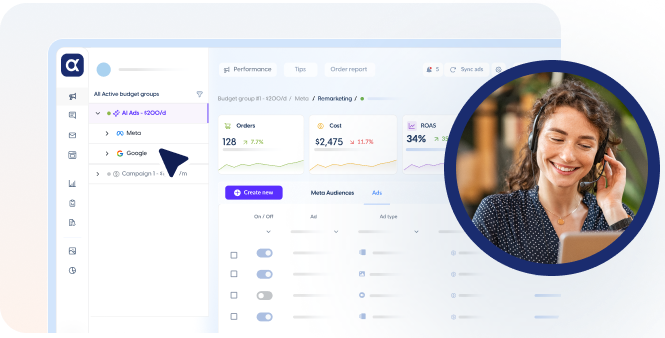
Connects to your store, finds your buying personas, and builds, runs and rebalances Google and Meta campaigns automatically.
- Google + Meta with live budget shifting
- First-party store data and personas
- Creative and copy per persona

Madgicx combines Meta campaign tools, AI recommendations, creative generation, and automated tactics. Reporting connections extend to Google Ads, Shopify, and other sources.
- AI Marketer account analysis and recommendations
- Automated Meta optimization tactics
- AI creative generation, testing, and launch tools
- Shareable reporting across multiple data sources
Side by side
Feature-by-feature comparison
Tap any row to see why it matters for a store.
Madgicx
Meta (Facebook & Instagram)Both support
AI automated Campaign creation and optimization
Campaign creation, analysis, and automated tactics
Google AdsAdScale: management
AI automated Campaign management and optimization
Reporting; its platform overview says Google campaign management is unavailable
Microsoft AdsSame
Not supported
Not Supported
Cross-channel budget shiftingAdScale: broader scope
Automated allocation across Google and Meta
Meta automation; no documented Google + Meta budget allocation
Native store integrationsDifferent scope
Shopify, WooCommerce, Magento +
Shopify analytics connection; other store connections not established here
Persona discoveryAdScale: documented capability
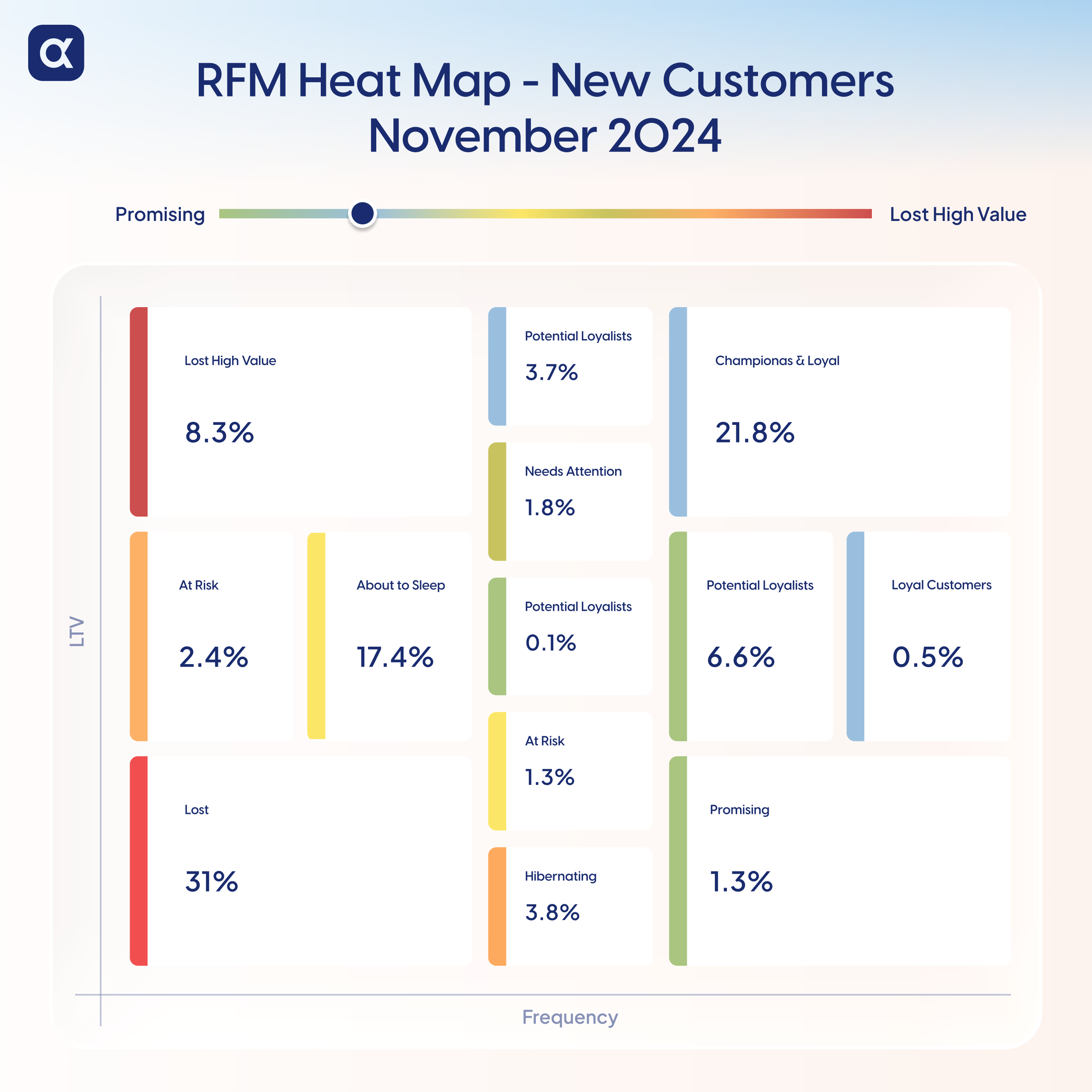
Store-based customer analysis and persona discovery
Equivalent store-based persona discovery not established
Competitor benchmarkingAdScale: documented capability
Store KPIs compared with merchant benchmarks
Comparable merchant benchmarking not established
Automation styleDifferent approach
Store-informed campaign creation and ongoing bid/budget optimization
AI recommendations plus condition-based Meta automation tactics
Ad copy & creative generationBoth support
AI copy, images, and video informed by store data and personas
AI ad generation, creative insights, testing, and launch tools
Bulk edits & scriptsConfirm requirements
Bulk ad editing documented; custom scripts not established
Bulk editing and custom script support not established in this review
ReportingDifferent strengths
Google, Meta, store performance, customer insights, and benchmarks
Meta, Google Ads, Shopify, GA4, TikTok, and Klaviyo reporting connections
Account auditsDifferent scope
Store BI and a separate marketing audit offering
AI Marketer account analysis and recommendations
Email marketingDifferent scope
Email campaign creation available
Klaviyo reporting; native email sending not established
Based on public product documentation as of Sep 2026. “Not established” means the reviewed material does not confirm the feature. It does not mean the feature is unavailable. Store benchmarking refers to merchant comparisons, not access to named competitors’ accounts. Spotted something out of date? Tell us.
Pros & cons
The trade-offs in one view
Pros
- Manage Google and Meta campaigns together
- Use connected store data for customer insights and campaign planning
- Combine persona discovery, creative generation, and optimization
- Compare store performance with merchant benchmarks
Cons
- Campaign coverage centers on Google and Meta; check your needs for other channels
- Teams seeking only Meta account diagnostics may find its broader store workflow unnecessary
- Built for eCommerce only
MadgicxPros
- Analyze Meta accounts with AI recommendations
- Run automated tactics for Meta campaigns
- Generate, test, and launch ad creatives
- Combine multiple reporting sources for teams and clients
Cons
- Google campaign management requires a separate workflow
- Tracking Pro is an additional paid offering, so include it when comparing total costs
Same task, two approaches
From store data to automated Google + Meta campaigns.
How the work splits between you and the tool in each case.
- Connect your dataConnect your store and Google/Meta accounts
- Prepare the adsUse product data and customer insights to develop audiences, copy, and creatives
- Review and launchReview products, creatives, budgets, and campaign settings before launch
- OptimizeUse ongoing bid and budget optimization across Google and Meta
- Connect your dataConnect your Meta account; add Shopify analytics or tracking as needed
- Prepare the adsUse AI creative tools and account insights to prepare Meta ads
- Review and launchReview the Meta campaign setup and launch with the chosen creative
- OptimizeApply AI recommendations and automated Meta tactics; manage Google separately
AdScale is the closer fit for store-driven Google + Meta automation; Madgicx is the closer fit for teams prioritizing Meta campaign tools and broader reporting.
AdScale, "AdScale vs Madgix (2026)", https://adscale.com/blog/adscale-vs-madgicx
We build AdScale, so we tell you where Optmyzr is stronger. This comparison uses each vendor's public documentation, pricing pages and product demos, reviewed on Sep 29, 2026. We review it quarterly.
Sep 2026: added Microsoft Ads row, refreshed screenshots.
FAQ
AdScale vs Madgicx: FAQ
Is AdScale or Madgicx better for eCommerce ads?
AdScale suits stores that want automated Google and Meta campaigns using their customer and product data. Meanwhile, Madgicx suits teams focused on Meta optimization and creative testing. Therefore, the better choice depends on which channels you need to manage.
Do both AdScale and Madgicx work with Shopify?
Yes, both platforms connect with Shopify. However, those connections serve different purposes. AdScale uses store data in its advertising workflow, while Madgicx brings Shopify analytics into its dashboards and reports.
Does Madgicx manage Google Ads like AdScale?
Madgicx supports Google Ads reporting. However, its reviewed platform overview says it does not offer Google campaign management. AdScale manages Google campaigns alongside Meta, so it suits stores that want both channels in one platform.
Do both platforms use first-party data?
Yes, but they use it differently. AdScale uses customer and purchase data from your store for analysis and audience workflows. Madgicx, meanwhile, offers first-party conversion tracking through Tracking Pro.



Stop guessing your ROAS target.
Connect your store and AdScale sets break-even and target ROAS per product, then optimizes Google and Meta toward profit.

 Shopify
 WooCommerce
 PrestaShop
 Magento
 BigCommerce
 Opencart
 Wix




 ,
